

Laser-Driven Radiation Sources for Space Environment Simulation
SCAPA is exploring how laser-driven particle and radiation sources can support research into the effects of space radiation on spacecraft, satellite electronics and other space technologies.
Understanding the Space Radiation Environment
Spacecraft operate in a challenging radiation environment that includes energetic electrons and protons trapped in planetary radiation belts, solar energetic particles and galactic cosmic rays. Exposure to these particles can degrade electronic components, damage solar cells and sensors, and cause malfunctions in spacecraft systems.
Ground-based radiation testing is essential for assessing the radiation tolerance and reliability of space hardware before deployment. Conventional testing facilities often rely on large accelerators to reproduce specific radiation conditions. Laser-plasma accelerators offer a complementary approach, with the potential to generate energetic particles and high-energy photons using compact experimental setups.
How Laser-Driven Sources Can Reproduce Space Radiation
At SCAPA, intense, ultrashort laser pulses interact with plasma to generate high-energy electron beams. These electrons can also produce intense X-ray and gamma-ray radiation when they oscillate in plasma fields or interact with suitable material targets. Depending on the experimental configuration, laser-driven interactions can also generate energetic ion beams.
By characterising and controlling these sources, researchers can investigate their suitability for reproducing selected aspects of the space radiation environment under laboratory conditions. For example, laser-driven electron beams can provide broadband electron irradiation, while X-ray sources can help assess radiation-induced effects in electronic devices and imaging detectors.
Applications in Space Technology
Potential applications include:
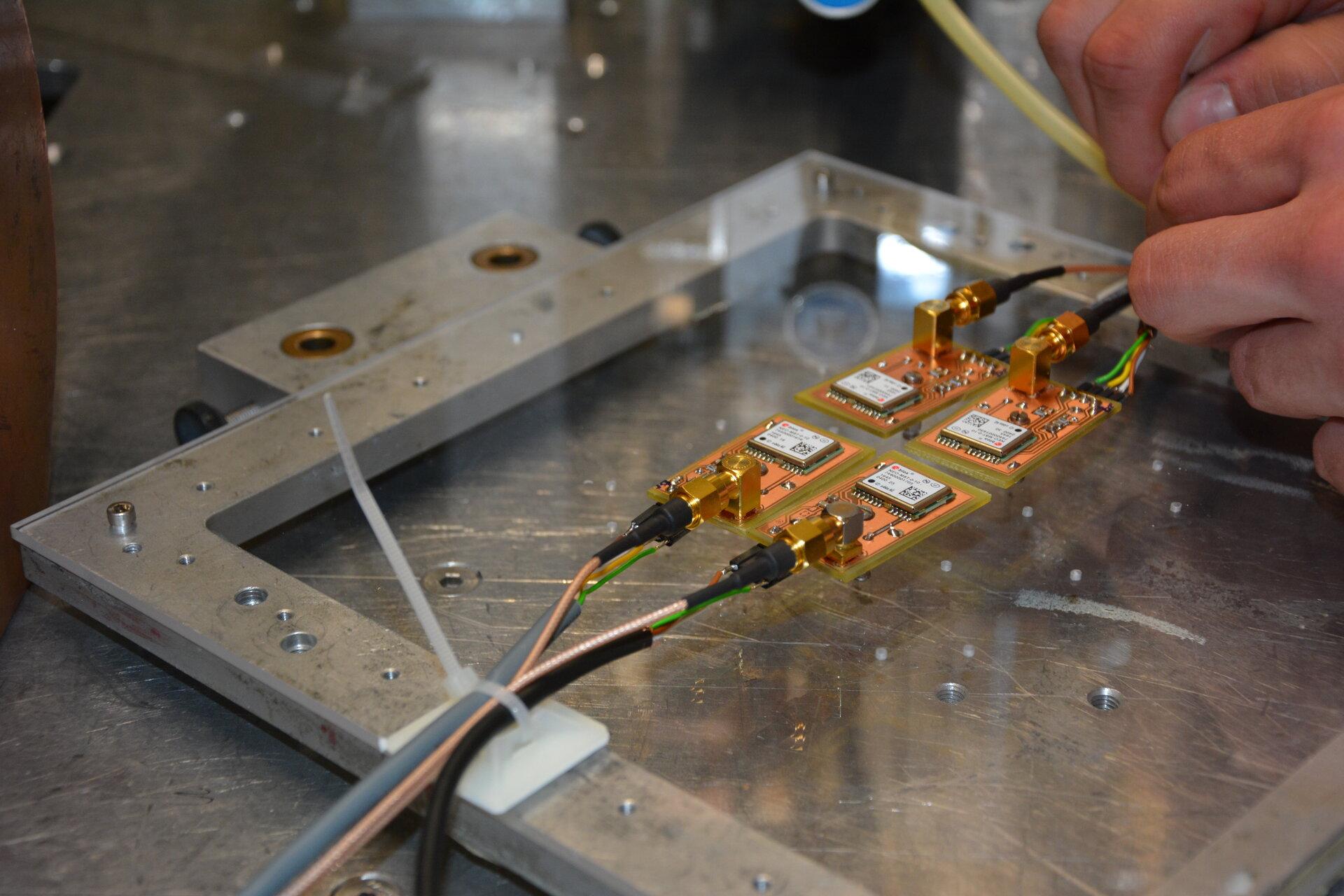
Radiation testing of electronics: Investigating radiation-induced faults and degradation in microprocessors, memory devices, sensors and other spacecraft electronics.
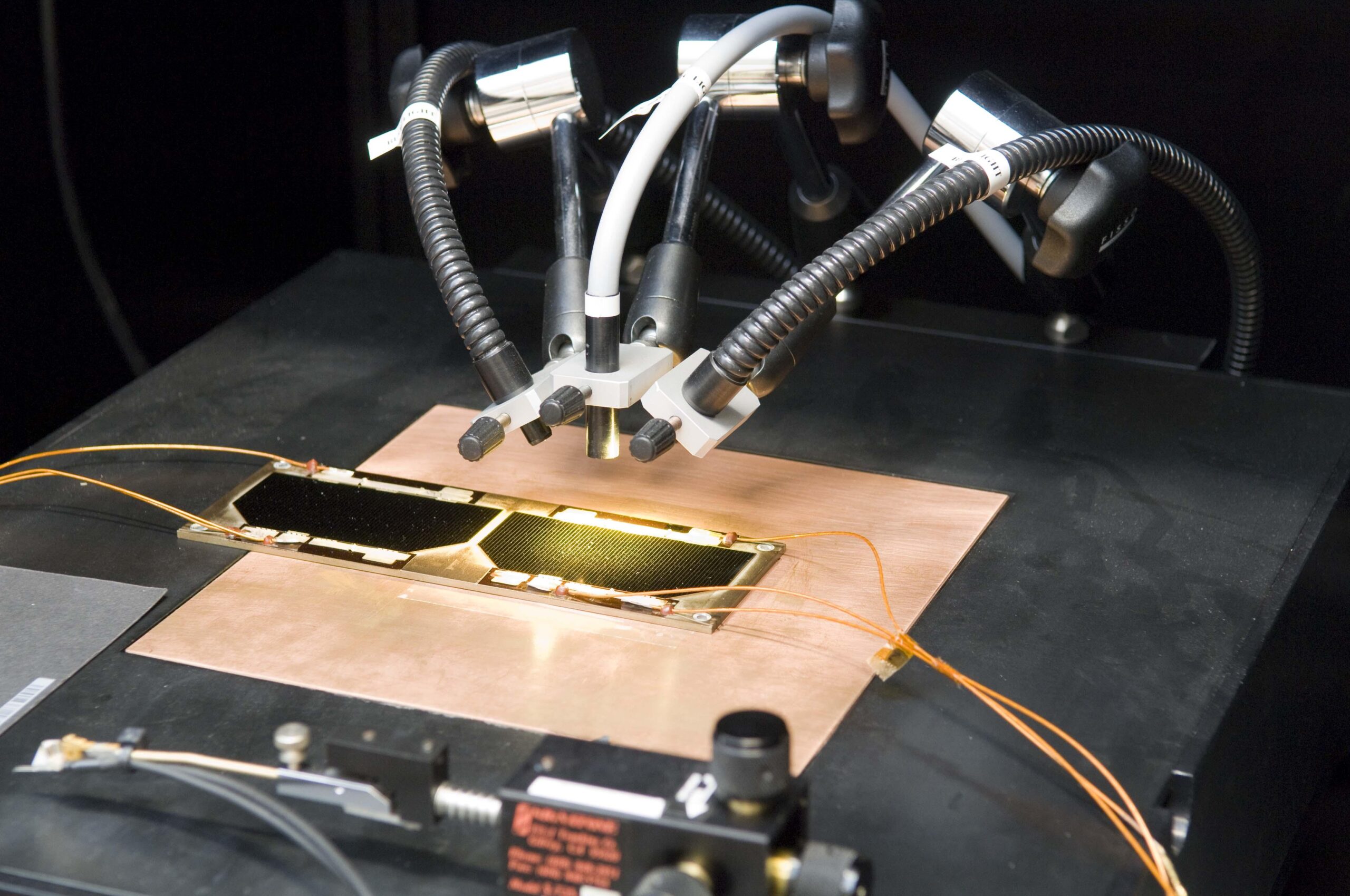
Solar cells and detector testing: Studying radiation damage and changes in the performance of photovoltaic devices and imaging systems.
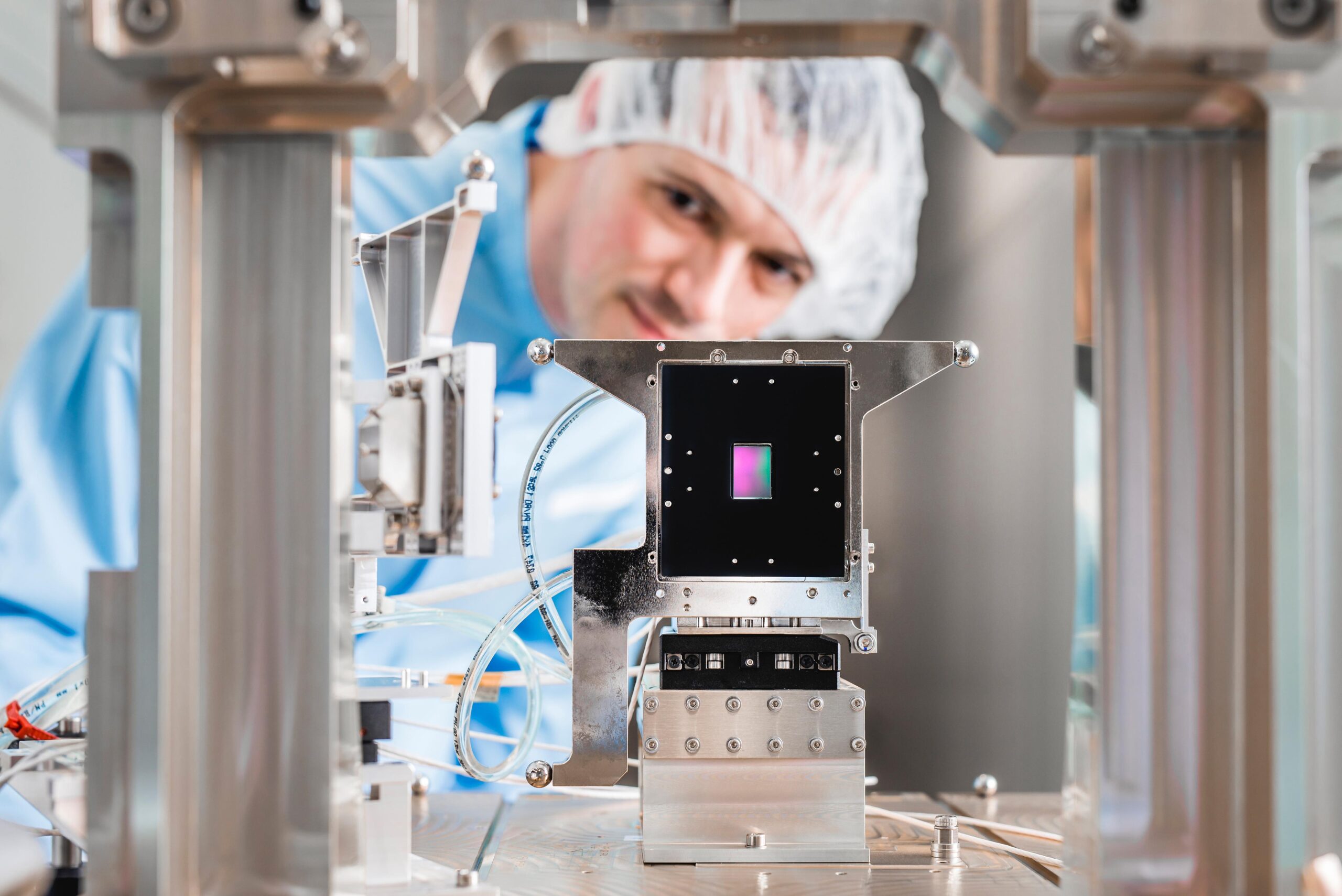
Radiation effects research: Exploring how energetic particles and photons interact with materials and electronic components.
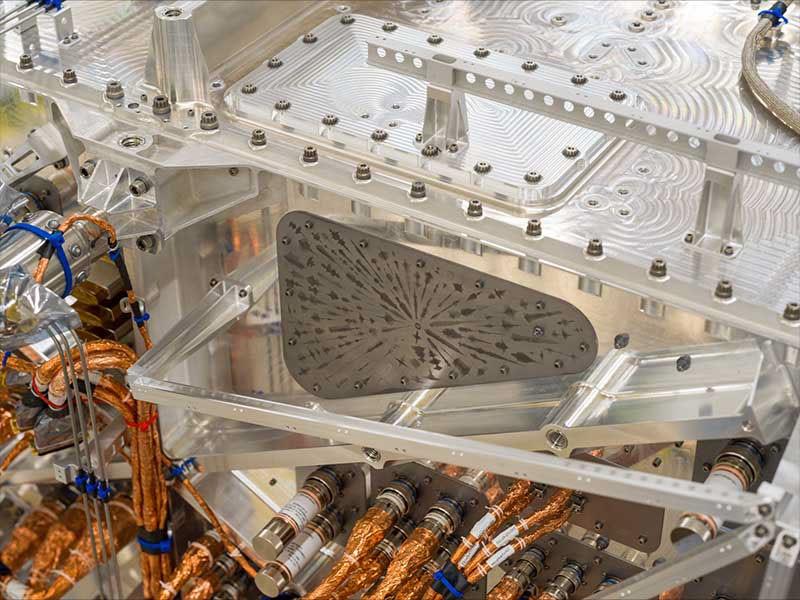
Shielding and materials studies: Investigating how candidate shielding materials modify radiation transmission and energy deposition.
Previous research has demonstrated the potential of laser-plasma accelerators to reproduce aspects of the electron radiation environment encountered in space and to investigate the radiation tolerance of electronic components.
Research at SCAPA
SCAPA’s research aims to explore the capabilities and limitations of laser-driven radiation sources for space-related applications. Key considerations include particle energy spectra, radiation dose, beam uniformity, shot-to-shot reproducibility and reliable characterisation of the radiation delivered to a test sample.
Laser-driven sources are not a universal replacement for conventional radiation-testing facilities. Their value depends on the radiation type and exposure conditions required for a particular test. By benchmarking laser-driven irradiation against established testing methods and radiation-transport simulations, researchers can identify where these emerging sources offer useful complementary capabilities.
This work could help establish new approaches to laboratory space-radiation studies, supporting the development and evaluation of more radiation-tolerant spacecraft technologies.